 RYZE AI Suite AI solutions for efficiency and productivity

What is a corporate video?
Date
 Corporate Reporting Holistic reports with impact and efficiency
  Sustainability Effective communication of sustainability
  Internal & External Communications Communication that moves people
  Employee Experience Communication that brings people together
  Film & Animation Studio Films and animations that convince
  Digital Experience Platforms & Websites Websites and platforms for strong brands
  Social Media & Performance Marketing Campaigns that deliver results
  CRM, marketing & sales with HubSpot Consultancy and systems for your growth
  Product & Digital Data Services PIM & DAM solutions for consistent product data
Videos are becoming increasingly popular and important in corporate communications. The spectrum of corporate videos now ranges from simple clips to image films created specifically for marketing purposes. In our three-part series, we explain what corporate videos are and what genres there are.
The sender of a corporate video is always a company and the films usually pursue a clear (commercial) intention - for example, to boost sales figures for a specific product or to convey company-relevant values in an image or motivational film. Every corporate video is an integral part of a company's communication strategy and is distributed accordingly on the company website, in social media channels and in the context of press releases and newsletters. Parallel distribution via different channels increases the reach and therefore the effectiveness of the video message.
YouTube is the second largest search engine in the world. After Google and Facebook, the platform is the third most visited website in the world. The portal is already responsible for over ten per cent of global data traffic, and the trend is rising significantly. Video content has therefore become a significant ranking factor and plays an important role in search engine optimisation. This is another reason why more and more companies are creating content in the form of corporate videos.
Another: video content has an 80 per cent higher chance of engagement than content in text form. It requires less cognitive effort to absorb and process and keeps the consumer's attention on the screen for longer. Wherever sales or opinion-forming is important, the importance of corporate video is therefore increasing.
Classic examples of corporate videos are image films, training and safety videos for employees, advertising and brand films, event videos, investor relations videos and shareholder videos, product videos and testimonials. Corporate video also includes films for fundraising, awareness-raising and advertising purposes. Today, all of these types of video are usually produced as online films for use on the Internet.
We have seen: Film means diversity - and we can use this diversity effectively. Because films are (also) communication tools and can make a decisive contribution to fulfilling certain tasks and achieving defined goals. The task determines the tool, in other words: "form follows function".
At RYZE, we support you in finding the right tool for your individual goal . We sit down with you and ask you questions. The most important question comes right at the beginning: "Why do we want to make this film?" We take into account who your target group is and how you want to address them. Your core messages and the expected benefits for your company also provide direction.
These questions await you - and many more. We will analyse your status quo together and find the best way to reach your goal together. We will find the right tool for you and then tap into the pool of possibilities and genres.
As there are so many different types of video, we will provide an overview of the most common and important genres in the next instalments of our topic series - including meaningful moving image examples. Stay tuned!

Why video, animation & co. are also playing an increasingly important role in corporate communications.
More information

Video content guarantees a high level of user engagement. Companies have recognised this trend and are increasingly addressing their target groups with corporate videos. In the second part of our series, we take a closer look at the explainer video, video interview, video testimonial, recruiting video and industry video genres.
More information
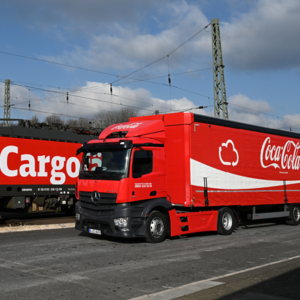
DB Cargo brings Coca-Cola onto the railways - and we show how this works with a joint explanatory film for the two companies.
More information